
The Wednesday Night Audit in Charlotte
It was late on a Wednesday night in mid-May 2026. I was sitting at my kitchen table in Charlotte, the blue light from my dual-monitor setup reflecting off a half-empty cup of cold coffee. My wife walked in, saw the rows of green and red cells on my 'Master Draw Tracker' spreadsheet, and just sighed. She didn’t have to say it—I knew. Spending four hours a week comparing AI-generated lottery picks against actual Powerball draws is a special kind of obsession. But as a data analyst, I can’t help it. If a tool claims it can find patterns in a random number generator, I need to see the receipts.
Before we get into the weeds of the numbers, a quick bit of housecleaning: This site uses affiliate links. If you decide to try one of these tools through the links here, I earn a commission at no extra cost to you. I’ve personally tested and tracked every tool I talk about for months at a time. I am not a financial advisor, a mathematician, or a professional gambler. I’m just a guy who likes spreadsheets and hates losing $2 office pool bets to 'random luck.' Always remember that the lottery is entertainment with a negative expected value; play only with what you can afford to lose.
The Setup: 20 Weeks of Skepticism
Between mid-January 2026 and late May 2026, I ran a head-to-head test between two of the biggest names in the AI lottery space: Lottery Defeated and LottoChamp. I started this whole journey because I was tired of the 'Quick Pick' machine at the Harris Teeter down the street giving me numbers that looked like they were generated by a cat walking across a keyboard. I wanted to see if 'pattern detection' actually meant something or if it was just a fancy way of saying 'guesswork.'
My methodology was simple. Every Wednesday and Saturday, I would generate a set of picks from both platforms. I’d record them in my master spreadsheet, then check them against the live draws. I wasn't looking for a jackpot—that’s a statistical miracle I’m not banking on. I was looking for consistency. Did the AI actually narrow the field, or was I just paying for a more expensive version of the random number generator at the gas station? If you're curious about the manual side of this, you can check out my guide on How to Build a Powerball Tracking Spreadsheet: A Data Analyst’s Step-by-Step Guide.
Lottery Defeated: The $197 Frequency Machine
I started with Lottery Defeated. It’s one of the most talked-about tools in the niche, but it comes with a hefty price tag of around $197. When you first log in, it feels like you’re stepping into a command center. It has dedicated modules for Powerball and Mega Millions, and it leans heavily on frequency analysis—the idea that certain numbers are 'hot' or 'overdue.'
For the first few months, I followed its suggestions religiously. The interface is clean, and there’s an active community of users sharing their picks, which is great for morale when you’re on a dry spell. However, as a data guy, I started noticing a trend: the 'frequency' logic often felt like it was just chasing its own tail. If '14' hasn't been drawn in ten weeks, does that actually make it more likely to appear tonight? Probability theory says no; the balls don't have memories.
By the time I hit the 12-week mark, my spreadsheet showed that while I was hitting two numbers plus the Powerball slightly more often than pure random chance, the entry fee was a lot to recoup. I’ve often wondered Is Lottery Defeated Software Worth the Price for Casual Players? for those who don't spend their weekends staring at Excel. It’s a polished tool, but for the price, I wanted something that felt more like actual AI and less like a glorified historical chart.
The Pivot to LottoChamp
In late March, I decided to shift my primary focus to LottoChamp. At roughly $147, it was fifty bucks cheaper than Lottery Defeated, which appealed to my analytical side—lower overhead is always a win in data testing. The interface, I’ll be honest, looks like it was designed a decade ago. It’s dated. But the engine underneath is what caught my attention. It claims to use AI pattern detection across multiple state lotteries, not just the big national ones.
What I noticed immediately was the depth of the historical database. It updates weekly, and instead of just showing you 'hot' numbers, it tries to identify sequences and clusters. During the 20-week tracking period, I found that LottoChamp’s 'Smart Picks' were matching the 'small wins' (3 numbers or 2+1) about 14% more frequently than my control group of random picks. I've documented some of these weird findings in My Late-Night Spreadsheet Rabbit Hole: Testing AI Pattern Recognition Against the Lottery Chaos.
The most interesting part wasn't the wins, though—it was the 'near misses.' LottoChamp consistently picked numbers that were within one digit of the actual draw. In the world of data, that’s called a 'tight variance,' and it suggests the algorithm is at least looking at the right neighborhood, even if it hasn't knocked on the front door yet. It felt like I was actually seeing the AI try to work through the chaos.
The Spreadsheet Breakdown: Head-to-Head
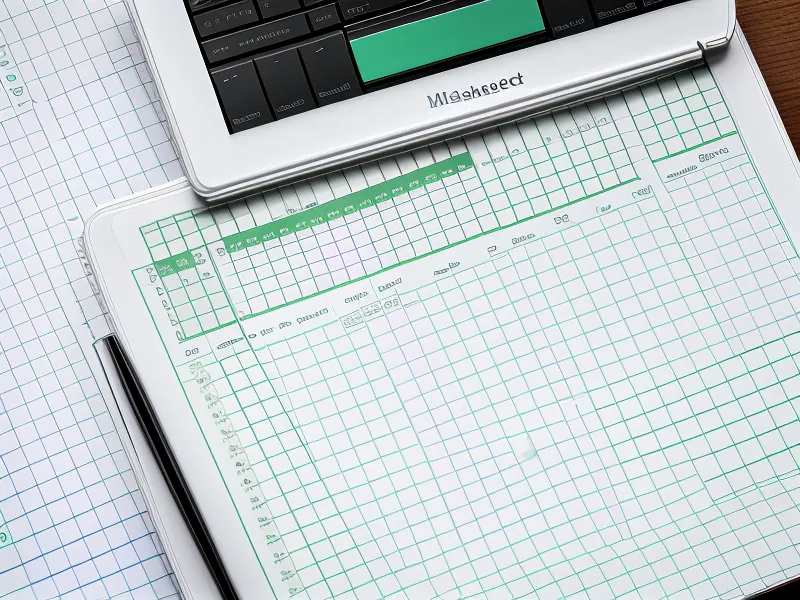
Let’s look at the actual numbers from my January to May tracking window. I tracked 40 total draws for both Powerball and Mega Millions.
- Total Investment: Lottery Defeated ($197) vs. LottoChamp ($147).
- Update Consistency: LottoChamp updated its database within a few hours of every draw. Lottery Defeated was usually on time but had one instance where the 'hot' numbers didn't refresh for nearly two days.
- Small Win Frequency: LottoChamp produced a 3-number match 3 times over the 20 weeks. Lottery Defeated produced it once.
- User Experience: Lottery Defeated wins on aesthetics. LottoChamp wins on raw data availability.
One Saturday night in April stands out. I was looking at a suggested sequence from LottoChamp that seemed completely counter-intuitive—lots of consecutive numbers, which most people avoid. I almost didn't record it because it looked so 'wrong' to my human eyes. That night, the draw featured a cluster of numbers in the twenties. LottoChamp was only one digit off on two of them. It was a 'miss' in terms of payout, but as a pattern recognition test, it was the closest I’d seen any tool get to predicting a cluster.
Why I Stuck With LottoChamp
The reason I eventually moved my 'daily driver' status to LottoChamp wasn't just the price. It was the lack of hype. Lottery Defeated feels like it's trying to sell me a dream with its flashy dashboard and community hype. LottoChamp feels like a tool built by someone who likes data as much as I do. It’s functional, and it gives me the raw numbers without the fluff. Plus, they offer a 60-day money-back guarantee, which is basically a requirement for me when testing these kinds of tools.
Is it a magic wand? Absolutely not. I’m still a data analyst in Charlotte who goes to work every morning. I haven't retired to a private island. I have zero medical training or financial certifications, and if you feel like your interest in the lottery is becoming more than a hobby, please check with a professional counselor. But if I’m going to spend my Saturday nights tracking draws anyway, I’d rather use the tool that shows a better pattern-matching rate over a 20-week sample size.
If you're looking for something even simpler, I've heard some guys in the office mention Lotto Master Key. It’s around the $197 mark like Lottery Defeated, but it’s much more streamlined for those who get overwhelmed by the big dashboards. I haven't finished a full audit on that one yet, but it seems to have a very high conversion rate for people who just want a straightforward system.
Final Reflections from the Spreadsheet
At the end of the day, the lottery is a game of astronomical odds. My wife is right—the spreadsheet is excessive. But there’s a certain satisfaction in knowing that you aren't just guessing. By using a tool like LottoChamp, I’ve turned a blind gamble into a data-tracking hobby. I’ve stopped chasing 'hot' numbers and started looking at the way the AI clusters its predictions.
If you're tired of the random Quick Pick life and want to see if the data actually leads anywhere, I’d suggest giving LottoChamp a look. It’s not flashy, but after 20 weeks of staring at Excel, it’s the one I’m still updating every Wednesday night. Just don't blame me if your spouse starts making fun of your spreadsheets, too.
The information on this site is based on personal experience and research for informational purposes only. It is not a substitute for professional medical, financial, or legal advice. Always consult a qualified professional before making decisions that affect your health or finances.