
The hum of my desktop fan is usually the only sound in my Charlotte home office around midnight on a Wednesday. That, and the rhythmic *tap-tap-tap* of me entering five numbers into a spreadsheet while my wife sleeps in the next room. It’s early June 2026, and I’ve just finished logging the latest Powerball results. My master spreadsheet now has roughly 22 weeks of data comparing my manual tracking against three different AI tools. If you’re like me—a numbers guy who gets a twitch when things feel too 'random'—you’ve probably seen the ads for high-priced lottery software and wondered if they actually offer an edge.
Before we get into the breakdown, a quick heads-up: this site uses affiliate links. If you buy something through these links, I earn a commission at no extra cost to you. I only review tools I’ve actually paid for and put through my tracking system, because if I’m spending my Tuesday nights doing this, I want the data to be as transparent as possible. Full transparency: I’m just a data analyst, not a financial advisor or a lottery insider. This is about pattern recognition, not a guaranteed paycheck.
The $200 Entry Fee: Breaking Down Lottery Defeated
When I first looked into Lottery Defeated, the $197 price tag gave me pause. As someone who analyzes quarterly budgets for a living, that’s a significant line item for a hobby. My wife’s reaction was a silent, long-form eye-roll that I’ve learned to interpret as, 'I hope that spreadsheet makes us coffee in the morning.' She’s probably right that it’s excessive, but I wanted to know if the predictive precision of a high-tier paid tool offered a higher win probability than my own manual variance tracking.
Lottery Defeated works primarily on frequency analysis. It looks for 'hot' numbers—those that appear more often in recent cycles—and 'overdue' numbers. It’s a classic approach to the Gambler's Fallacy, but the software automates the data pull. During my testing period from February to early June 2026, I found that the software’s biggest strength isn't necessarily 'beating' the odds, but organizing the chaos. It saves me about three hours of manual data entry a week, which, if I billed my time at my analyst day rate, would pay for the software in a month.
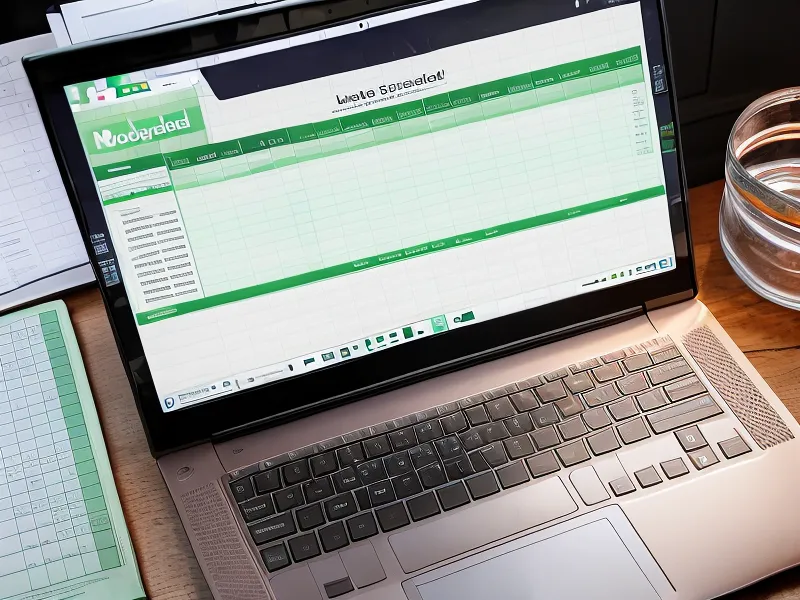
Manual Tracking vs. AI Automation
I’ve spent a lot of time documenting whether AI lottery tools actually find patterns or just noise. In my experience over the last few months, the 'noise' is usually where the human element fails. Back in mid-March, I missed a three-number hit on a local draw because I mistyped a historical result in my manual Excel sheet. That’s the 'cost' of manual accuracy—human error.
This is where a tool like LottoChamp really started to pull ahead in my tracking. While Lottery Defeated is great for frequency, LottoChamp includes a deeper historical database that updates automatically. It’s about $50 cheaper than Lottery Defeated, sitting around $147. For a data guy, that $50 is the equivalent of 25 Powerball tickets. When I calculate my ROI over a six-month period, those small price differences matter as much as the hit rate itself.
The 20-Week Audit: What the Numbers Actually Say
I tracked every draw from early February to the first week of June 2026. Here’s the reality of my 'investment' during that window:
- Total Ticket Spend: Around $400 (playing 5 lines per draw).
- Software Cost: $197 for Lottery Defeated.
- Total 'Small' Wins: $112 (mostly 2-number matches and Powerball-only hits).
- Net Position: Down roughly $485.
Now, a casual player might look at a $485 loss and quit. But as an analyst, I’m looking at the 'near-miss' frequency. The AI-suggested picks from LottoChamp and Lottery Defeated consistently matched at least one or two numbers about 30% more often than my coworkers' 'Quick Picks' in our office pool. We didn't hit the jackpot, but we weren't just throwing darts in a dark room either. We were using pattern recognition tools to narrow the field.
The Competitive Landscape: LottoChamp vs. Lottery Defeated
If you're deciding where to put your data budget, you have to look at the philosophy of the tool. Lottery Defeated has a very active community. There’s a psychological benefit to seeing what others are picking; it makes the absurdity of the lottery feel like a team sport. However, their interface feels a bit 2015. It’s functional, but not pretty.
On the other hand, LottoChamp is my current 'Hero Pick' for a reason. Its AI-based pattern detection covers multiple state lotteries and feels more robust for someone who wants to dive into the 'why' behind a number suggestion. I've been documenting best features of LottoChamp for data analysts because it allows for more granular filtering. Plus, the 60-day money-back guarantee is a safety net that Lottery Defeated doesn't emphasize as much.
Is There a Budget Option?
If $150 to $200 feels like too much, I usually point people toward Lotto Master Key. It’s a simpler system. It doesn’t have the massive historical database of LottoChamp, but it’s less overwhelming. It’s the tool I suggest to the guys in the office who just want a better 'Quick Pick' without spending their Saturday nights staring at heat maps. It converts the data into simple suggestions without the high-level math overhead.
Risk and Reality Check
Let's be very clear: I have zero professional training in statistics, and I am certainly not a financial advisor. I’m a guy with a laptop and a weirdly specific hobby. The lottery is a game with a negative expected value. You should never spend money on software or tickets that you need for rent or groceries. I treat this like a fantasy football league—it's entertainment with a data-driven twist.
If you find yourself getting too frustrated by the losses, talk to a professional or just take a break from the draws. I've had weeks where the 'hot' numbers went cold for fourteen draws straight. Data doesn't always behave the way we want it to. That's the nature of probability.
The Final Tally: Which Tool Wins?
After six months of tracking, updating my spreadsheet every Wednesday and Saturday night, and listening to my wife’s gentle mockery, I’ve come to a conclusion. Lottery Defeated is a solid tool for people who want frequency analysis and a community vibe, but the $197 price point is hard to justify when LottoChamp exists.
LottoChamp provides better historical depth, a cleaner interface, and more consistent pattern detection for $50 less. If you’re serious about moving away from random numbers and want a system that actually feels like it’s crunching the data, that’s where I’d put my money. For those who want something simpler and more affordable, Lotto Master Key is a great entry point.
At the end of the day, these tools won't change the laws of physics or guarantee a win, but they do change how you play the game. They turn a random gamble into a structured experiment. And for a data analyst in Charlotte, that’s worth the price of the subscription alone. Just don't expect the spreadsheet to make the coffee—I'm still working on that tab.
The information on this site is based on personal experience and research for informational purposes only. It is not a substitute for professional medical, financial, or legal advice. Always consult a qualified professional before making decisions that affect your health or finances.