
Late one Saturday night in Charlotte, the blue light of my monitor was the only thing illuminating the kitchen as I waited for the Powerball numbers to drop, ready to see if my AI-generated spreadsheet could finally beat the 'Quick Pick' randomness. I was watching the clock crawl toward the 10:59 p.m. ET drawing in Tallahassee, Florida. It’s a strange ritual for someone who spends his daylight hours cleaning up corporate data sets, but there I was, waiting for a set of numbers that have a 1 in 292,201,338 chance of making me a billionaire.
The faint, rhythmic hum of the laptop fan in a silent house while the cursor blinks in cell AF24 of my master spreadsheet is a sound I’ve grown far too familiar with. I’m a 37-year-old data analyst, not a professional gambler. This whole thing started because a casual office pool felt too chaotic for my taste. I figured if there was a pattern to be found in the noise, I could find it. Six months later, I’ve moved past simple Excel formulas and into the world of AI-based lottery analysis tools, tracking every suggested pick against actual draws every Wednesday and Saturday night.
The Ritual: From Office Pools to Neural Networks
When I started this project in early January, I was just tracking frequency. I wanted to see if the Powerball white balls, which range from 1 to 69, or the red Powerball, which ranges from 1 to 26, showed any statistical bias over a short window. My coworkers thought it was a fun side project until I started bringing a laptop to lunch to discuss the standard deviation of the number 42. That’s when I realized I needed more processing power—or at least a more sophisticated way to look at the data.
I eventually subscribed to three different AI platforms that claim to use neural networks for pattern recognition. The idea is that these tools analyze historical draw data to identify subtle clusters or sequences that a human eye (or a basic spreadsheet) might miss. By late March, my master spreadsheet had grown into a multi-tab monster. I wasn't just tracking the numbers; I was tracking the AI’s ability to predict the numbers. I’ve documented this entire process in my six-month spreadsheet obsession, where I break down exactly how these tools performed against real-world draws.
The Myth of the 'Hot' Number
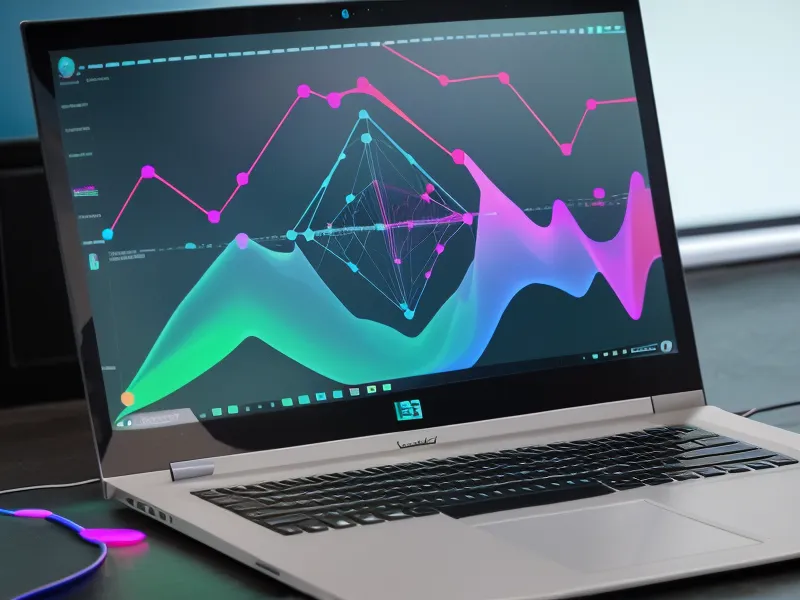
One of the first things these AI tools like to point out is the concept of 'hot' and 'cold' numbers. A 'hot' number is one that has appeared frequently in recent draws, while 'cold' numbers are those that have been missing for a while. Conventional wisdom—and most basic lottery software—suggests you should play the hot numbers because they are on a 'streak.' However, after six months of data entry, I’ve noticed something that most casual players miss.
My data suggests that optimizing for high-frequency numbers actually reduces your expected return. It sounds counterintuitive, but lottery algorithms (the physical ones involving gravity-fed balls) inherently favor the distribution of historically cold numbers over the long term to maintain house edge stability. When I look at my spreadsheet from mid-May, the AI tools that leaned heavily into 'hot' clusters consistently underperformed compared to the actual physical draws. The universe, it seems, has a way of correcting itself. If the number 14 hasn't been seen in twenty draws, the probability doesn't change for the next draw, but the historical distribution eventually catches up.
What Six Months of Data Actually Looks Like
Updating the spreadsheet every Wednesday and Saturday night has become a form of meditation. I’m not a mathematician or a lottery insider, and I certainly don't have a secret key to the vault. I’m just a guy who enjoys finding patterns. Over the last six months, from early winter through mid-summer 2026, I’ve seen the AI tools 'hallucinate' patterns in what is essentially white noise. They’ll suggest a sequence based on a perceived 'rhythm' in the draws, only for the actual Tallahassee machines to spit out something completely unrelated.
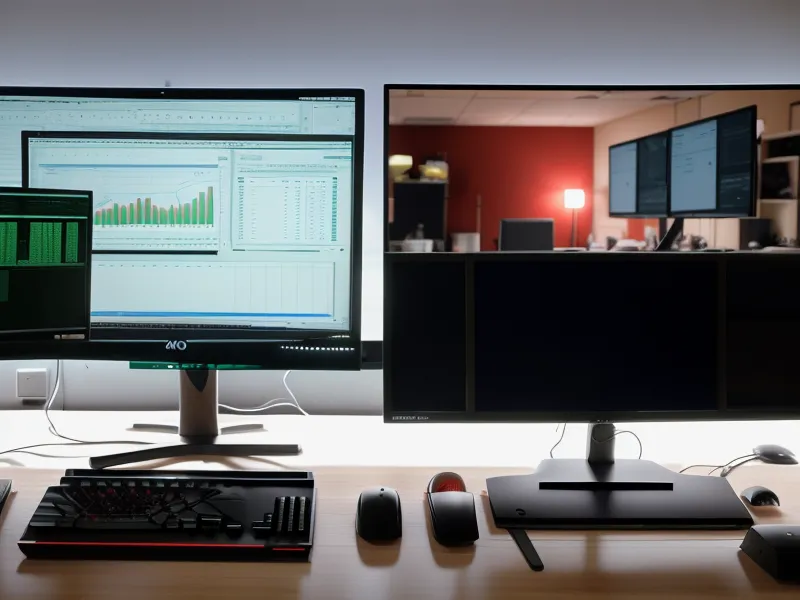
There is a specific way my wife sighs and adjusts her glasses when she sees the 'Lottery Analysis' tab open on my second monitor during dinner. She’s probably right that it’s excessive. But as an analyst, I find the failure of the AI just as interesting as a potential win. By tracking the delta between the AI’s 'high-confidence' picks and the actual numbers, I’ve learned more about the law of large numbers than I ever did in college. I’ve even written about the specific mistakes I made during the first three months of this experiment.
The Reality of the 3-Draw Week
Since Powerball draws occur three times a week—every Monday, Wednesday, and Saturday—the data set grows quickly. This frequency is a double-edged sword. It gives the AI more data to 'learn' from, but it also highlights how quickly 'patterns' dissolve. In my master spreadsheet, I use a color-coding system: green for a direct hit, yellow for a 'near miss' (one digit off), and red for a total swing and a miss. Let’s just say there is a lot of red.
I’ve also noticed that the AI tools often struggle with the 1 to 26 range of the red Powerball. While they might get a few white balls right over a month-long period, the specific Powerball itself remains the ultimate outlier. It’s the gatekeeper of the jackpot, and it doesn't care about neural networks. I’m not a financial advisor, and I certainly wouldn't recommend anyone spend more than the standard two bucks on a ticket as a form of entertainment. I treat this like a hobby, similar to fantasy football—except my players are plastic balls in a drum.
Closing the Laptop: Lessons in Probability
Last Wednesday night, the AI predicted a sequence heavily weighted toward the lower end of the 1 to 69 spectrum. The actual draw came out with four numbers above 50. It was a total wipeout for the algorithms. But as I logged the '0' in my spreadsheet, I wasn't frustrated. I was intrigued. The AI was trying to force a 'regression to the mean' that wasn't ready to happen yet.
If you're going to use these tools, you have to realize they are for analysis, not prediction. They help you visualize the data, but they don't change the 1 in 292 million odds. I’ve found that the real value isn't in 'winning'—though that would be nice—it’s in the disciplined approach to the game. It turns a $2 gamble into a data-entry project that keeps my analytical skills sharp. Before you try any of this yourself, it's always a good idea to check with a professional if you find yourself spending more than you can afford; the lottery should always be treated as a cost of entertainment, not an investment strategy.
As I close my laptop for the night and listen to the house settle, I realize that while my spreadsheet might be excessive, it has stripped away the 'magic' of the lottery and replaced it with something better: a clear understanding of randomness. I'm obviously not a licensed financial advisor, so please take my spreadsheet obsession for what it is—a hobbyist's deep dive into the world of predictive modeling. Whether the AI gets it right next Saturday or not, I’ll be there, waiting for the Tallahassee results, ready to update cell AF25.
The information on this site is based on personal experience and research for informational purposes only. It is not a substitute for professional medical, financial, or legal advice. Always consult a qualified professional before making decisions that affect your health or finances.